
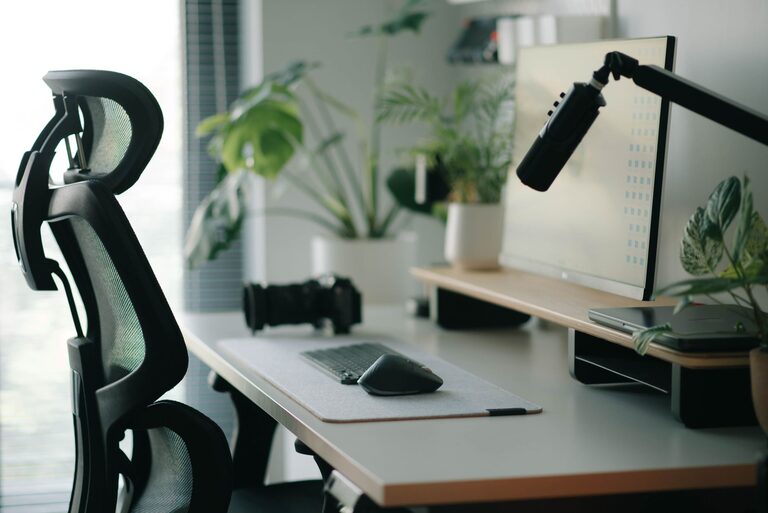
Creating a comfortable and productive home office space is essential for anyone working remotely or running a business from home. A well-designed workspace can improve focus, reduce stress, and enhance overall job satisfaction. Whether you have a dedicated room or just a small corner, these tips will help you create an effective home office environment tailored to your needs.
Choose the Right Location
The first step in setting up a home office is selecting the right spot. Ideally, it should be quiet, well-lit, and separate from high-traffic areas. This helps minimize distractions and creates a clear boundary between work and personal life.
– Natural Light: Position your desk near a window if possible. Natural light boosts mood and reduces eye strain.
– Privacy: Choose a space where you can close the door or set up a partition to signal when you are working.
– Ventilation: Good airflow is important to keep the area fresh and comfortable.
Invest in Ergonomic Furniture
Comfort is key to staying productive during long workdays. Ergonomic furniture supports your body and reduces the risk of discomfort or injury.
– Chair: Opt for an adjustable chair with good lumbar support.
– Desk: Ensure your desk height allows your arms to rest comfortably at a 90-degree angle.
– Monitor: Position your screen at eye level to avoid neck strain.
Using furniture that fits your body and workflow can greatly improve your comfort and focus.
Organize Your Workspace
A cluttered desk can distract and stress you. Keeping your workspace organized helps maintain a clear mind and efficient workflow.
– Declutter: Remove unnecessary items and keep only essentials on your desk.
– Storage: Use drawers, shelves, or storage boxes to keep supplies tidy.
– Cable Management: Tidy cables with clips or cable sleeves to prevent tangling.
Regularly cleaning and organizing your workspace encourages productivity and a professional mindset.
Optimize Lighting
In addition to natural light, good artificial lighting is important, especially if you work in the evening or in a windowless room.
– Ambient Lighting: Use a ceiling light or floor lamp to illuminate the entire room evenly.
– Task Lighting: A desk lamp with adjustable brightness helps reduce eye strain when working on detailed tasks.
– Avoid Glare: Position lights to avoid reflections on your monitor.
Balanced lighting improves concentration and reduces fatigue.
Add Personal Touches
Personalizing your office space makes it a pleasant place to spend time and can boost motivation.
– Decorations: Add plants, artwork, or photos that inspire you.
– Colors: Choose calming or energizing colors depending on your preference. Light blues and greens can be soothing, while yellows and oranges may boost creativity.
– Comfort Items: Include items like a cozy blanket or a cup for your drinks to keep you comfortable.
Creating an inviting atmosphere positively impacts your work experience.
Manage Noise and Distractions
Noise can disrupt focus, so it’s important to minimize distractions as much as possible.
– Soundproofing: Use rugs, curtains, or soundproof panels to reduce noise.
– Headphones: Noise-cancelling headphones can help block out background sounds.
– Set Boundaries: Communicate your work hours with family or housemates to limit interruptions.
Creating a quiet environment supports concentration and productivity.
Establish a Routine
A dedicated workspace is more productive when paired with a consistent routine.
– Set Working Hours: Define when your workday starts and ends.
– Breaks: Take regular breaks to stretch and rest your eyes.
– Start-Up Ritual: Develop a simple routine to signal the start of your workday, like making a cup of tea or reviewing your to-do list.
A routine helps separate work from home life and keeps you motivated.
Use Technology Wisely
Technology tools enhance productivity but can also be a source of distraction if not used carefully.
– Reliable Equipment: Invest in a good computer, fast internet, and necessary peripherals.
– Productivity Apps: Use apps for task management, calendar scheduling, and focus timers.
– Limit Distractions: Turn off non-essential notifications and use website blockers if needed.
Having the right tools and managing them well supports an efficient workflow.
Prioritize Health and Wellbeing
Your physical and mental health are vital to maintaining productivity.
– Movement: Incorporate standing or walking breaks during the day.
– Hydration and Nutrition: Keep water and healthy snacks at hand.
– Ergonomics: Adjust your furniture as needed to prevent strain.
Taking care of your health helps sustain long-term productivity.
—
By following these tips, you can design a home office that feels comfortable and motivates you to work productively. Remember, your workspace should reflect your personal and professional needs, making it easier to balance work and home life successfully.